

Indica vs Sativa: Understanding the Structural Differences
Types of joints
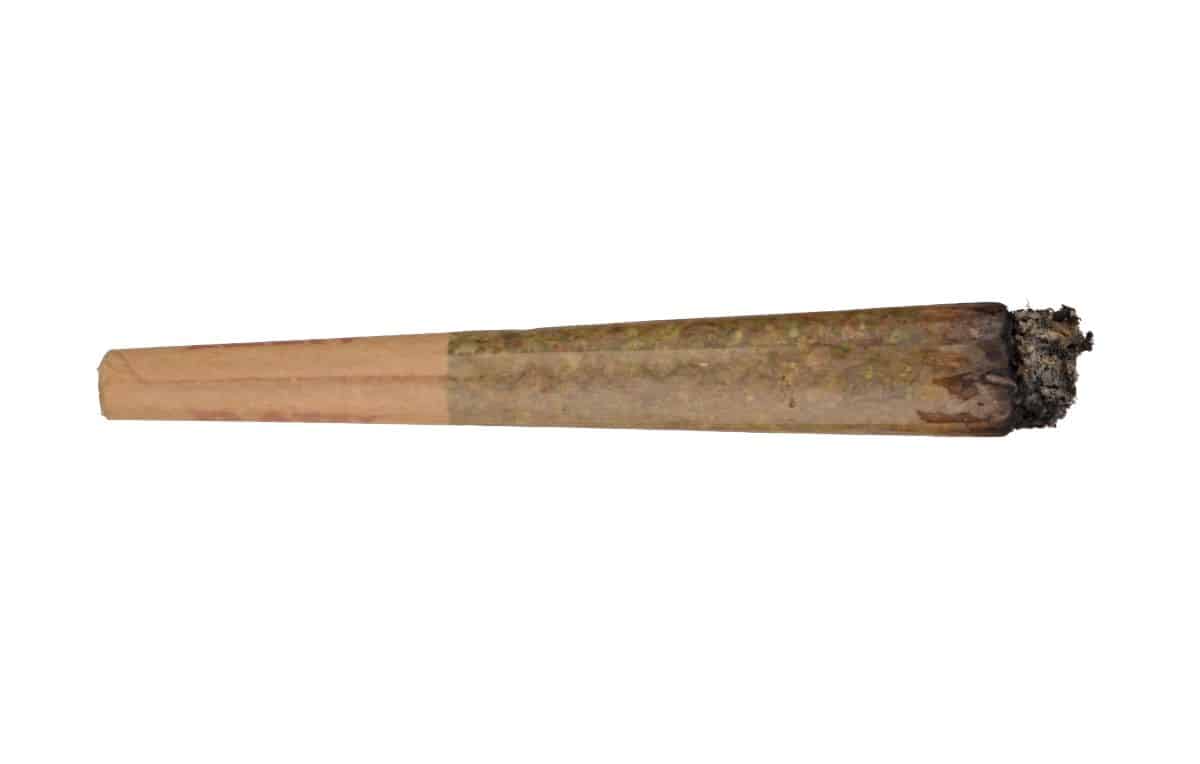
Joints differ based on how they are prepared and, on occasions, the ingredients they contain.
These are the most common types of joints:
- Cross Joint: a real classic, made using King Size paper with a tip and a second standard paper rolled without a tip, which will be the horizontal part of the cross.
- Braided Joint: this is a spectacular sight, but requires hard work, as it is made by braiding three joints.
- Cone Joint: this is a cone shaped joint (quite self-explanatory), and is made by pressing the tip in further and adding more weed or tobacco in the other end.
- Sherlock Holmes Joint: this is for the real experts; it uses two King Size papers for the bowl and another one for the shaft of the pipe.
- Double Wide Joint: this is a joint with two tips together in one smoking paper.
- Triple Wide Joint: this is the same as the double wide joint, but with three tips.
- BHO: this is a standard joint (or any other type) with the outer layer coated with a drop of Butane Hash Oil.
- Mariachi Joint: it has nothing to do with Mexico, but rather its name comes from the combination of “Maria” and “Hashish” as it is a joint that contains both of these ingredients.
- Arrow Joint: this is made from one King Size and two standard papers, joined as a triangle with another paper.
Joint effects
The effects of a joint can be short, medium and long-term. It all depends on the ingredients and the smoker, their smoking experience, and other conditions (temperature, if they have eaten or not, etc.).
We can also differentiate the effects of a joint based on which of our systems or behaviors is affected.
- Cognitive system: a joint can alter a person’s perception, information processing and their problem solving capacity.
- Psychological behavior: this can vary from a state of euphoria and happiness to sedation, anxiety, and even panic and hallucinations (due to intoxication).