

Indica vs Sativa: Understanding the Structural Differences
What is the Rastafari Religion and Movement?
To give you the most direct answer, the rastafari movement is an Afrocentric spiritual, cultural, and social movement that developed in Jamaica during the 1930s.
When people ask what is rastafari religion, it is important to know that it is not structured like traditional Western churches with strict hierarchies, popes, or rigid temples. Instead, it is a decentralized way of life, a spiritual philosophy, and a conscious mindset focused on reclaiming African identity, pursuing social justice, and living in perfect harmony with nature.
The early foundation of the movement was built by impoverished, working-class Afro-Jamaicans who were pushing back against British colonial rule and institutional oppression. They drew heavy inspiration from Pan-African leaders like Marcus Garvey, who famously told his followers to look toward Africa for the crowning of a Black king, signaling that their freedom and redemption were close at hand.
When that prophecy seemingly came true in the East African nation of Ethiopia, a unique new faith was officially born in the Caribbean.
The Roots of the Rastafari Faith: Jah, Zion, and Babylon
The inner worldview of the rastafari faith relies on a clear, symbolic map of the spiritual universe. At its heart, it is a monotheistic belief system that reinterprets biblical scriptures through an Afrocentric lens, using a distinct vocabulary to describe the struggle between good and evil.
To understand how a Rasta sees the world, you need to understand three core concepts:
- Jah: The short, biblical name for God. Rastas believe that Jah is a living, loving spirit who flows through every human being, often leading to the famous Rasta phrase “I and I” to show that all people are spiritually connected as one.
- Zion: The promised land. For Rastas, Zion is Africa—specifically Ethiopia—symbolizing a physical and spiritual haven of freedom, natural beauty, and ancestral pride.
- Babylon: The oppressive, materialistic, and corrupt Western establishment. Babylon represents the historical legacy of slavery, colonial greed, and any modern system that exploits people for money while stripping away their human dignity.
Who is Haile Selassie to Rastafaris?
The very name “Rastafari” comes from Haile Selassie I, the Emperor of Ethiopia who ruled from 1930 to 1974. Before his imperial coronation, his royal title was “Ras” (meaning Prince or Chief) and his given name was “Tafari Makonnen.”
When he was crowned Emperor in a massive, globally publicized event, he was given legendary biblical titles: King of Kings, Lord of Lords, and the Conquering Lion of the Tribe of Judah.
For early Jamaican preachers, this was the literal fulfillment of biblical prophecy. In the haile selassie rastafari connection, the Emperor is seen as the living embodiment of God on Earth (Jah incarnate) or a Black Messiah destined to lead the African diaspora out of the exile of Babylon and back home to the righteousness of Zion.
The Red, Gold, and Green: What Do the Rastafari Colors Mean?
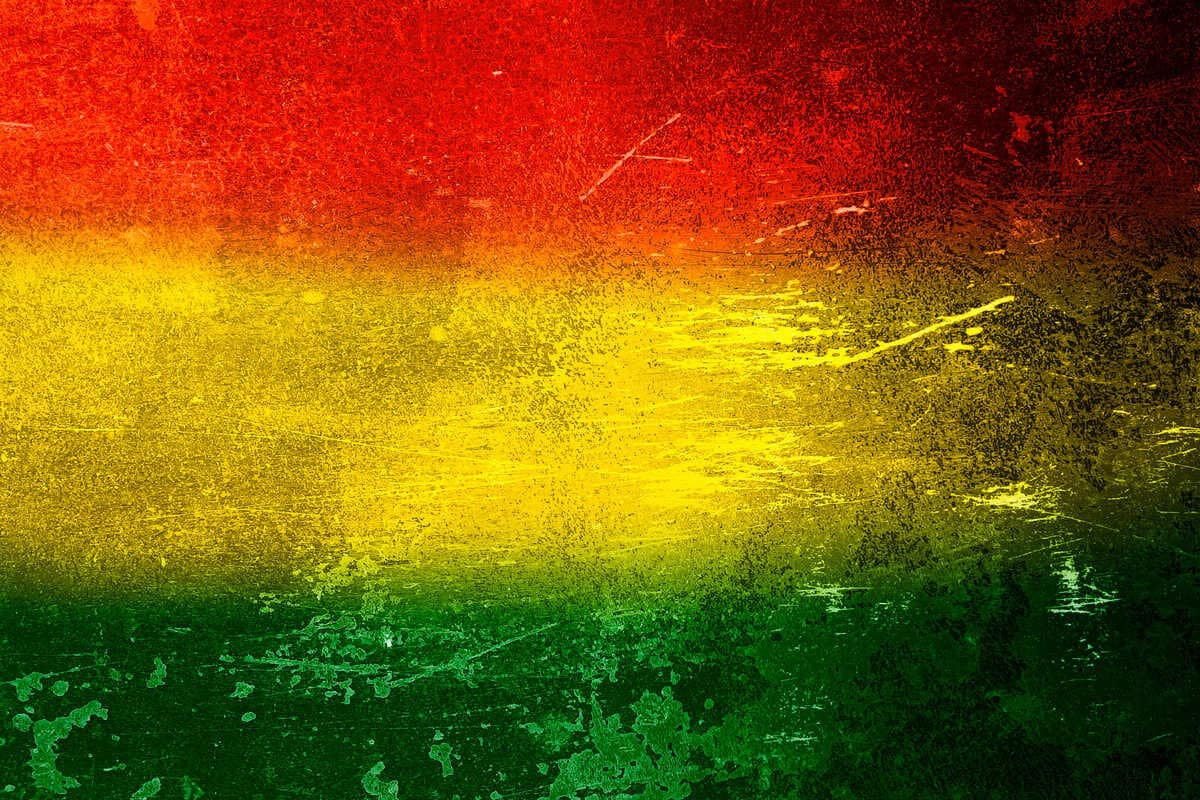
You see them on flags, beanies, wristbands, and album covers all over the world, but the classic Rasta color palette is not a casual design choice. Every single color holds a deep historical and emotional weight, serving as a visual badge of honor and resistance.
The three primary colors were directly adopted from the national flag of Ethiopia, the only African nation to successfully resist European colonization during the late-19th-century scramble for Africa.
| Color | Spiritual & Cultural Meaning |
| ❤️ Red | Represents the blood of the martyrs, honoring those who died fighting for freedom throughout the history of slavery and colonialism. |
| 💛 Gold | Symbolizes the mineral wealth, sunshine, and natural bounty of the African homeland. |
| 💚 Green | Signifies the lush vegetation, fertile land, and agricultural beauty of Zion, as well as a dedication to natural living. |
Sometimes, you will also see a splash of Black mixed into the pattern. This represents the proud identity of the African people who carry the movement forward.
More Than a Trend: The Meaning Behind Dreadlocks and Reggae
In modern pop culture, it is easy for sacred traditions to get watered down into superficial styles. Two of the most famous elements linked to the movement—dreadlocks and reggae music—are deeply spiritual tools designed to honor Jah and spread a revolutionary message.
Dreadlocks are not just a trendy hairstyle; they are a spiritual covenant. Rastas grow their hair naturally into locks as a symbol of the Lion of Judah, representing a fierce, natural strength and a rejection of Babylon’s artificial grooming standards. The practice is also rooted in the biblical Nazirite vow, which states that no razor shall ever touch a person’s head while they are dedicated to holy service.
How Bob Marley Took Rastafari Global
During the mid-20th century, the Jamaican establishment heavily marginalized the Rasta community. That all changed when a young, charismatic musician from the slums of Kingston stepped onto the global stage with an acoustic guitar and a message of universal love.
The bob marley rastafari connection completely transformed the movement’s reach. Marley used the infectious, heavy riddims of reggae music as a sonic vehicle to preach the gospel of Jah, peace, and anti-imperialism to millions of listeners.
Track by track, he educated the world:
- “Babylon System” exposed the economic traps of modern society.
- “Exodus” sang of the physical and spiritual journey back to Africa.
- “Redemption Song” urged people to emancipate themselves from mental slavery.
Through his global stardom, reggae became the undisputed soundtrack of liberation, turning Rastafari from a localized Jamaican culture into an international symbol of peace and human rights.
Living the “Ital” Way: Peace, Respect, and Natural Connection
At the end of the day, being a Rasta is about how you treat your body, your community, and the earth beneath your feet. This lifestyle is best expressed through the concept of “Ital,” a word derived from “vital” that guides how practitioners eat, drink, and live.
Living the Ital way means choosing things that are pure, natural, and completely untainted by the chemical processing plants of Babylon.
- The Ital Diet: Most Rastas follow a strict vegetarian or vegan diet. They eat fresh fruits, vegetables, grains, and herbs grown straight from the earth. Food is prepared completely without artificial preservatives, chemical additives, or added salt.
- Respect for Nature: Because Jah is present in all living creations, protecting the environment is an essential spiritual duty. This means living sustainably and walking lightly on the earth.
- The Sacred Herb: Cannabis (known as ganja or the holy herb) holds a revered place in the culture. It is not used for mindless recreation, but as a sacred plant sacrament. Smoked out of natural pipes or clean, unbleached papers, it is used during communal gatherings to quiet the ego, spark deep philosophical discussions, and feel closer to the divine presence of Jah.