

Indica vs Sativa: Understanding the Structural Differences
What is scrapbooking?
Scrapbooking is a creative technique that involves personalizing albums, pages, or notebooks with photos, clippings, decorative paper, text, and embellishments. Its purpose is not just to decorate, but to tell a story in a visual and emotional way.
Each page combines memories and design to give them a more personal shape. A scrapbook can capture a trip, a relationship, a celebration, or even everyday moments worth keeping.
A scrapbook does not have to be complicated, either. It can be minimalist or full of details. What matters is that it expresses something, and that the process of creating it becomes part of the memory too.
Where does the scrapbook tradition actually come from?
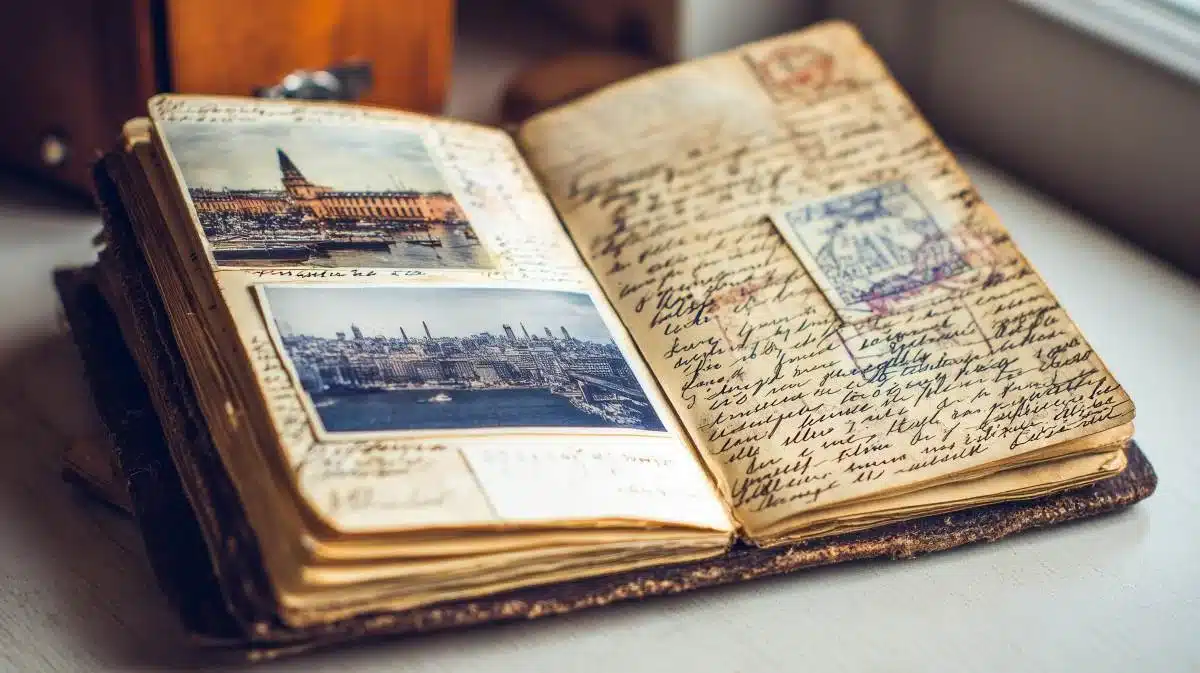
The idea of keeping memories in books or notebooks has existed for centuries. For a long time, people collected letters, dried flowers, tickets, and personal notes in memory books.
Over time, that habit evolved into a more visual and decorative practice, especially as photography became more popular. That is how the modern scrapbook was born: a craft that brings together memory, creativity, and design.
The real benefits of scrapbooking
Scrapbooking does not just result in something beautiful. It also gives you a lot during the process itself. That is why more and more people see it as a creative activity with emotional value.
Some of its main benefits include:
- It helps preserve memories in a much more special way than keeping them in a digital folder.
- It stimulates creativity by combining colors, paper, photos, and embellishments.
- It encourages focus because it invites you to concentrate on a slow, hands-on activity.
- It has a relaxing effect and can become a moment to disconnect.
- It allows you to express emotions through images, phrases, and personal details.
- It adapts to any style and any level of experience.
On top of that, it has one extra advantage: every creation is tied to a real story, so the final result always feels unique.
The most popular scrapbooking techniques every beginner should know
Even though it may seem like a simple activity, there are several scrapbooking techniques that help give each page more depth and personality.
One of the most common is layering, which involves overlapping paper, tags, or decorations to create dimension. Die-cuts are also widely used and are perfect for adding decorative shapes in an easy way.
Another popular technique is lettering, or decorative handwriting, which works especially well for titles, dates, or short phrases. You do not have to master it: clear, neat writing already works beautifully.
Collage is another favorite approach, mixing different elements such as tickets, maps, envelopes, notes, or patterned paper. You can also add tools like stamps, ink, washi tape, or decorative stitching to enrich the design without making it too complicated.
What scrapbooking styles are out there and how to find yours
One of the best things about scrapbooking is that there is no single style. Everyone can find a way of creating that fits their taste and the story they want to tell.
The clean and simple style focuses on neat compositions, few elements, and plenty of visual space. Vintage uses soft tones, aged papers, and nostalgic details. Shabby chic leans more romantic, with flowers, pastel shades, and delicate textures.
On the other hand, mixed media blends scrapbooking with paint, inks, or texture to create more experimental compositions. There are also more modern, colorful, and graphic styles that work perfectly for youthful or highly dynamic projects.
More than memorizing styles, what really matters is finding an aesthetic that feels right for you.
How to start scrapbooking
Getting started with scrapbooking can seem overwhelming if you look at very elaborate projects, but the key is to simplify. You do not need a huge scrapbooking kit or to master every technique from the beginning. All you need is a clear idea, a few basic supplies, and the desire to begin.
1. Choose the story or theme you want to tell
Before thinking about papers or embellishments, decide what you want to tell. It could be a trip, a friendship, a birthday, a specific chapter of your life, or a collection of everyday memories.
Having a clear theme helps you choose your photos, colors, and decorative elements more easily. If you need ideas for scrapbooking, you can start with a vacation mini album, a summer scrapbook, relationship memories, or a project focused on the most special moments of the year.
2. Gather the materials and supplies you want to work with
One of the most common mistakes is thinking you need a huge amount of scrapbooking supplies to begin. In reality, you can do a lot with the basics.
This is what you usually need for scrapbooking when you are starting out:
- A scrapbook album or a notebook as your base
- Printed photos
- Patterned paper or cardstock
- Scissors and glue
- Markers or pens
- Stickers, ribbons, or labels
From there, you can add more little by little. A scrapbooking kit can be practical, but it is not essential. You can also reuse tickets, envelopes, dried flowers, maps, or notes with sentimental value.
3. Design the layout and composition of each page
Before gluing everything down, try different arrangements. Move the photo around, switch the papers, and see how the overall page looks. This step helps a lot when it comes to creating more balanced layouts.
Ideally, there should be one main focal point, usually the photo, plus several supporting visual elements that add to it without making the page feel crowded. If you are a beginner, you can follow a simple formula:
- Place the main photo first.
- Add a base or frame.
- Include a title.
- Finish with two or three embellishments.
- Leave some open space.
There is no need to create overly complicated pages. In scrapbooking, less is often more.
4. Add the details and finishing touches that bring it all to life
Once you have the base in place, it is time for the most personal part. Details are what turn a pretty page into a memory with soul.
You can add a date, a phrase, a short anecdote, or a word that sums up the moment. You can also use stamps, washi tape, torn edges, tags, or tiny envelopes holding keepsakes inside.
The important thing is not to decorate just for the sake of decorating. Every element should add something to the story or to the visual balance of the page. That is the difference between simply filling space and creating a scrapbook that truly means something.