

Advantages of a cigarette metal case: Elevate and protect your smoke
What is snuffing exactly?
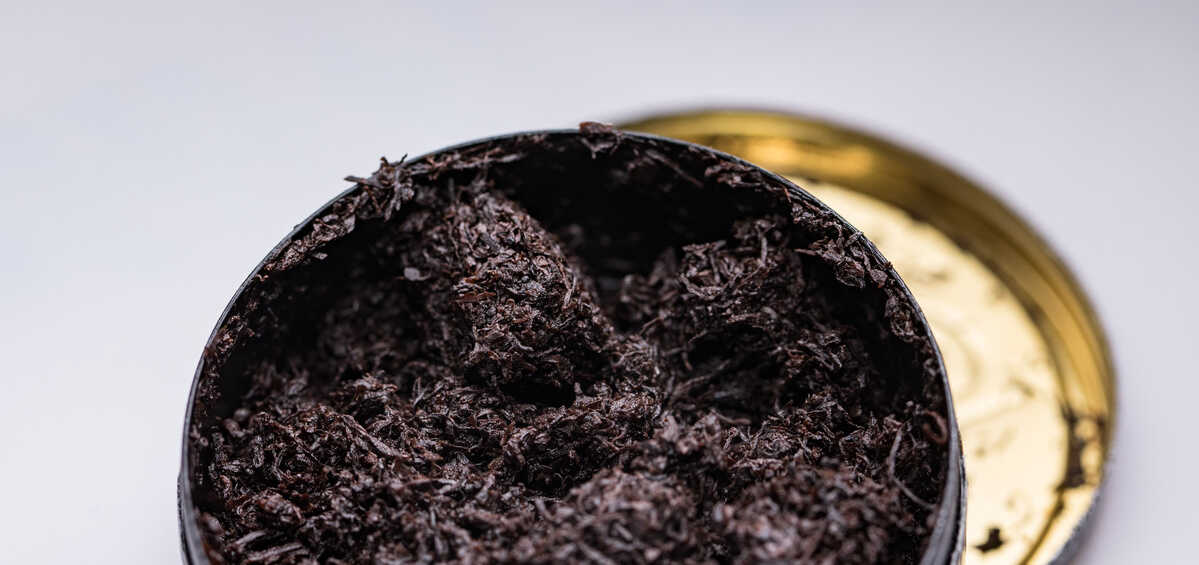
To give you the most direct answer, snuffing is the action of inhaling finely ground, dry tobacco leaves through the nose, where the nicotine is rapidly absorbed through the nasal mucous membranes.
When people ask what is snuff, they are usually surprised to learn that it is completely smokeless and fireless. Dry snuff is made by grinding cured tobacco leaves into an ultra-fine powder, which is often seasoned or scented with natural menthol, herbs, spices, or essential oils.
Unlike moist dipping tobacco or chew (which sit inside the mouth between the lip and gum), true dry snuff is lightly drawn into the front of the nostrils. The user takes a tiny pinch, places it on the back of their hand or between their thumb and index finger, and inhales softly to coat the nasal lining without drawing the powder into the lungs.
Does snuff make you high? Understanding the effects
To answer the most common question directly: no, snuff does not make you high or produce intoxicating psychoactive effects.
When curious beginners ask does snuff make you high, they are often confusing dry tobacco snuff with illegal illicit substances or herbal hallucinogens. Because dry snuff is made entirely from pure tobacco leaves, its main active ingredient is simply nicotine.
However, because the blood vessels inside the nasal lining are extremely close to the surface, the sensation of taking dry snuff is distinctly different from smoking a cigarette or pipe:
- The Rapid Nicotine Spike: Nicotine enters the bloodstream almost instantaneously through the nasal membrane, delivering a sudden, sharp burst of alertness, heightened focus, and an elevated heart rate.
- The “Tingle” or “Burn”: The fine powder creates a brief, warming prickle inside the nose, often accompanied by a refreshing scent if the blend includes menthol, eucalyptus, or floral essences.
- A Brief Clear-Headed Feeling: Many historical users preferred snuff because it offered a quick nicotine hit without filling a room with smoke or lingering on clothing.
While the sensation is intense and hits rapidly, it is purely a strong nicotine rush—not an intoxicating high.
Is it safe to snuff tobacco? The modern health perspective
To give you the most accurate overview, while dry snuff avoids the lung damage associated with burning and inhaling smoke, it is still a tobacco product containing nicotine, meaning it is not completely safe or risk-free.
When considering is it safe to snuff tobacco, it helps to weigh the clear mechanical differences between smokeless products and combustible smoking:
Because snuff requires zero combustion, users avoid inhaling carbon monoxide, tar, and harsh hot smoke directly into their delicate lung tissue. This makes it significantly less damaging to the respiratory system than traditional cigarettes.
However, dry snuff carries its own health considerations:
- Addiction: Because it delivers a fast dose of nicotine, snuff is just as addictive as any other form of tobacco.
- Nasal Irritation: Regular use can cause dry nasal passages, chronic congestion, sneezing fits, and irritation to the mucous lining.
- Chemical Exposure: Like all tobacco, dry snuff contains naturally occurring nitrosamines, which carry health risks over prolonged, heavy usage.
The dual history of snuff: From shamanic rituals to European royalty
The journey of dry tobacco powder is one of the most remarkable stories in botanical history. Before it became a symbol of refined European high society, it was a sacred plant medicine used in profound spiritual traditions.
Indigenous roots: Sacred and shamanic use in the Americas
Long before Christopher Columbus set foot in the Americas, indigenous tribes across South and Central America had perfected the art of processing wild tobacco leaves into powder.
To these ancient cultures, tobacco was not a casual daily habit; it was a sacred bridge to the spirit realm. Indigenous shamans used specialized wooden or bone pipes (often shaped like a “Y”) to blow crushed tobacco into a practitioner’s nostrils during spiritual ceremonies, healing rituals, and tribal gatherings to clear the mind and ground the spirit.
The aristocratic boom: High-society etiquette in Europe
When Spanish explorers brought tobacco back to Europe in the 16th century, dry snuff quickly transformed from an exotic curiosity into the ultimate status symbol of the wealthy elite.
The trend exploded when Catherine de’ Medici, the Queen of France, began using ground tobacco to treat her chronic migraine headaches. When her headaches vanished, she declared the plant a royal miracle, and taking snuff instantly became the height of fashion across European royal courts. For over two centuries, smoking was considered uncouth by the aristocracy, while carrying a gold-plated snuff box was the mark of a true gentleman or lady.
The art of the accessory: Vintage snuff boxes and pocket etiquette
Just as modern rolling enthusiasts take pride in their custom rolling trays, premium papers, and sleek lighter cases, the snuff-takers of the 17th and 18th centuries built an entire culture around personal accessories.
Carrying snuff was a major social ritual governed by strict rules of etiquette:
- Masterpiece Snuff Boxes: Wealthy aristocrats commissioned artisan goldsmiths, silversmiths, and jewelers to create intricate pocket boxes made of solid silver, tortoiseshell, mother-of-pearl, and porcelain.
- The “Pinch” Ritual: Taking a pinch of snuff in polite company was an elaborate performance. One had to tap the lid of the box, flip open the spring latch with style, take a precise pinch between two fingers, and inhale gracefully without sneezing on nearby guests.
- Social Sharing: Offering a pinch of your custom, scented tobacco blend from your personal box was the ultimate gesture of trust, friendship, and high social standing.
Understanding the story of dry snuff gives us a unique window into how tobacco rituals have evolved across centuries, cultures, and continents. From sacred shamanic ceremonies in the Americas to the gilded courts of French royalty, the human desire to craft, flavor, and enjoy tobacco has taken many remarkable forms.
At Smoking, we honor that long history of craftsmanship and personal ritual. Whether you are exploring historical traditions or perfecting your own modern rolling routine with our iconic papers, taking your time and appreciating the finer details is what turns a simple habit into an art form. Keep your mind open, respect the craft, and enjoy your ritual your way.