


What Is HHC? Properties, Uses, and Everything You Need to Know
What is van life?
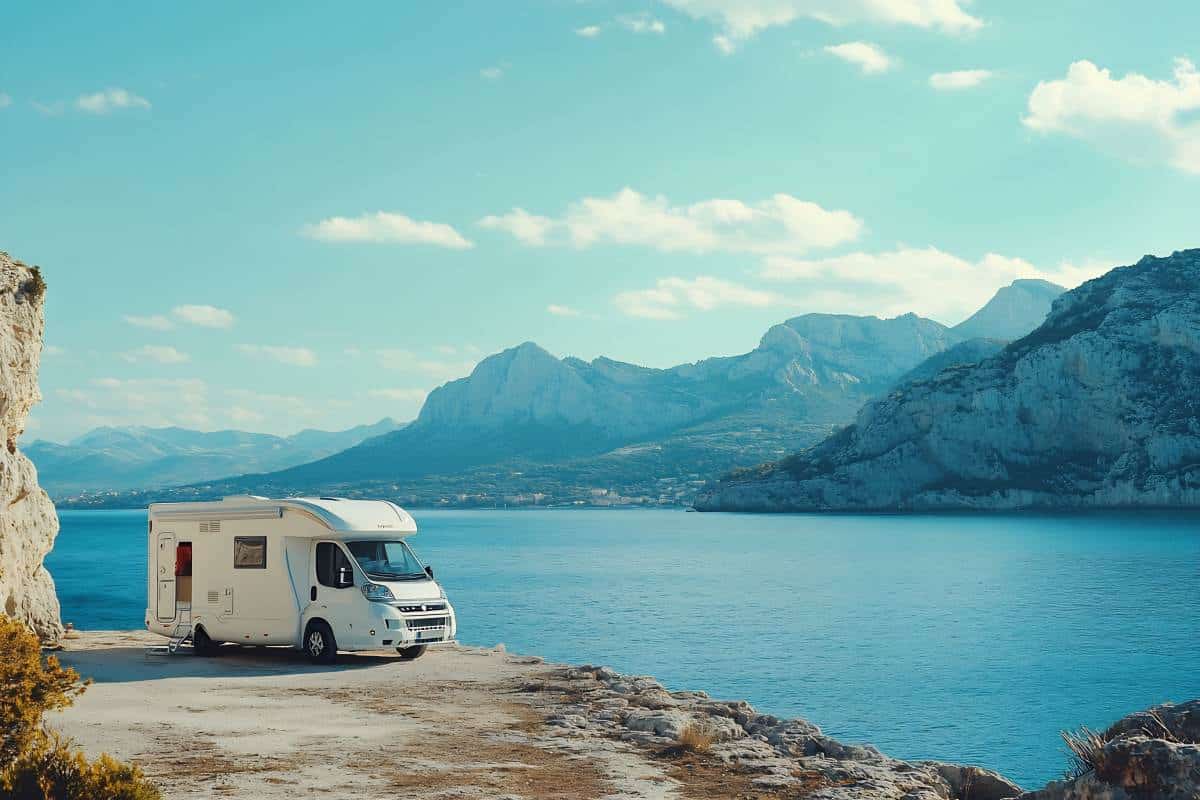
Van life is the term used to describe a lifestyle based on living and traveling permanently or semi-permanently in a van or converted camper vehicle. The expression combines van and life, and it sums up the idea perfectly: making a vehicle your home and movement your daily routine.
A van life camper is not simply a mode of transportation. It is a space designed to cover all the basic needs of everyday life: sleeping, cooking, working, and relaxing. Depending on the level of conversion, it may include anything from a fixed bed and a small kitchen to solar panels, a shower, a composting toilet, and a work area with internet access.
What sets van life apart from a road trip vacation is permanence. Van lifers are not just “traveling”, they live in their van. Some do it full-time, with no fixed address. Others alternate seasons on the road with periods spent at home. Either way, the van is not a temporary way to get around but the center of everyday life.
Origins and history of van lifers
Van life is not an invention of social media, even though the internet has been key to its rise. Its roots go back to the 1960s and 1970s, when hippie counterculture turned the Volkswagen Transporter van into a symbol of freedom, rejection of the system, and nomadic living. Those painted vans loaded with ideology were already asking the same question that modern van life asks today: what happens if you choose to live outside conventional structures?
Over the following decades, living in a van was often seen as a sign of hardship or marginalization. However, after the 2008 economic crisis, that perception began to shift. A generation hit by unemployment, impossible rent prices, and debt started questioning the traditional model of life and exploring alternatives. Traveling in a van went from being a necessity to becoming a conscious choice.
The final turning point came with social media. In 2011, photographer Foster Huntington left his job in New York, moved into a van, and began documenting his life using the hashtag #vanlife. The tag went viral, and with it a global community was born, one that now includes millions of followers and content creators around the world.
What is the lifestyle of a van lifer like?
The daily life of a van lifer is very different from an endless vacation. It comes with its own routines, challenges, and ways of staying organized. Some of the main features that define everyday van life include:
- Remote work as a financial foundation. Most modern van lifers work online in fields such as design, programming, digital marketing, content creation, or consulting. Internet access, whether through mobile data or Wi-Fi in cafés and coworking spaces; is one of their most valuable resources.
- Managing space and resources. Living in a few square feet forces people to rethink consumption. Water is used carefully, electricity often depends on solar panels, and every item that goes into the van has to justify its place.
- Flexible route planning. Even though many van lifers do not follow a fixed itinerary, they still plan practical details: where to sleep, how to restock supplies, and what local rules apply to overnight parking or staying in natural areas.
- Community and support networks. Van lifers do not travel in total isolation. There is an active community that shares information about routes, rest stops, trusted mechanics, and practical advice through forums, groups, and specialized apps.
Van life as a philosophy: the freedom of a world without borders
Beyond the logistics, van life is above all a statement of intent. People who choose this lifestyle are not simply trying to save on rent or collect destinations — they are actively questioning what it really means to live well.
Van life brings forward values that directly challenge the pillars of contemporary Western lifestyles: minimalism instead of consumerism, experience instead of possession, mobility instead of stability. Living in a van means giving up a lot, but it also means freeing yourself from just as much weight, both material and mental.
For many van lifers, the van is not just a home — it is a tool for self-discovery. Life on the road constantly confronts you with uncertainty, adaptation, and decision-making. It forces you to prioritize, connect with your surroundings and the people you meet along the way, and realize that you need far less than you once thought to be happy.
This philosophy has especially resonated with younger generations, who see van life as a coherent response to a system that promised stability and delivered precarity instead. It is not escapism. For many, it is a more honest way of living, one that is better aligned with their values.
The impact of van life on sustainable tourism
Van life and sustainable tourism overlap in many ways, although the relationship between the two is complex and deserves an honest look.
On the one hand, the nomadic lifestyle of living in a van often has a more sustainable profile than conventional tourism:
- A smaller accommodation footprint, since it does not depend on hotels or large tourism infrastructure.
- More conscious consumption, shaped by the limitations of living in a reduced space.
- A direct connection with the natural environment, which often leads to greater environmental awareness and respect for the places visited.
- Support for local economies, since van lifers often spend money in local markets, repair shops, and small businesses along the way.
On the other hand, the rapid growth of van life has also created tensions: overcrowding in natural areas, conflicts with local communities over the use of public space, and increased waste in places without the infrastructure to handle it properly. The more responsible side of the van life community is actively working to establish codes of good practice so that this lifestyle can remain compatible with respect for the land.
Ultimately, van life is much more than an aesthetic trend. It is a way of moving through the world with less, living with more freedom, and asking yourself what really matters underneath it all.