10 Strange Historical Facts That Will Make You Think
SHOP SMOKING

OUR ONLINE SHOP HAS ARRIVED
DISCOVER OUR SWEATSHIRTS, T-SHIRTS WITH EXCLUSIVE DESIGNS AND MUCH MORE
SHOP SMOKING
OUR ONLINE SHOP HAS ARRIVED
DISCOVER OUR SWEATSHIRTS, T-SHIRTS WITH EXCLUSIVE DESIGNS AND MUCH MORE

PLEASE CONFIRM THAT YOU ARE OF LEGAL AGE IN YOUR COUNTRY TO ENTER THIS WEBSITE
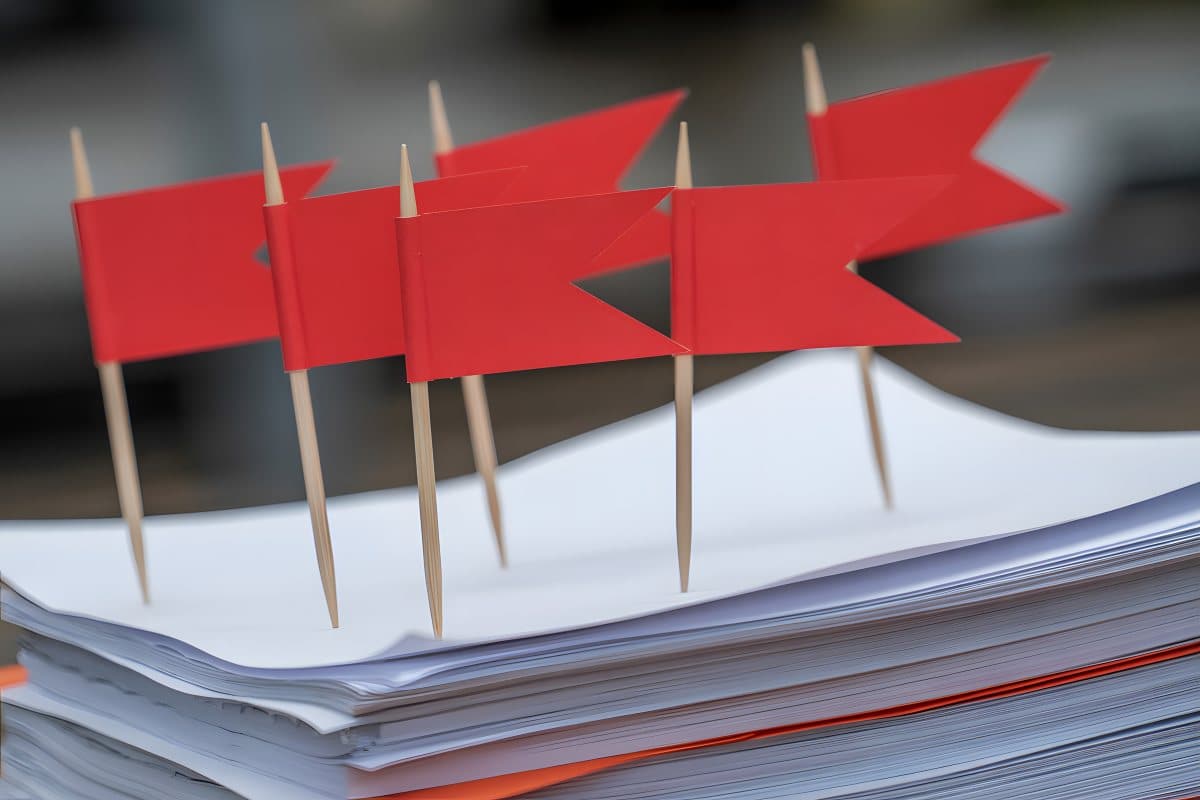
In recent years, the term red flag has become part of everyday conversations, social media, and articles about relationships. While it’s often used casually, understanding what a red flag really means can make a big difference in how you protect yourself and make decisions.
This isn’t about overanalyzing every detail or assuming the worst. It’s about learning to recognize patterns that tend to lead to problems over time. Knowing what red flags are and why they matter helps you avoid situations that may seem manageable at first but often become emotionally draining later on.
Contents
A red flag is a warning sign that something isn’t quite right. In relationships, it refers to behaviors, attitudes, or recurring situations that suggest a deeper issue may develop if left unaddressed.
Red flags are not the same as occasional mistakes or normal human flaws. Everyone has bad days or says the wrong thing sometimes. A red flag, on the other hand, tends to be consistent over time and reveals a pattern. It’s that quiet feeling that something doesn’t fully add up, even when everything looks fine on the surface.
Understanding the real meaning of red flags involves learning to separate everyday imperfections from signals that usually escalate when they’re ignored.
Ignoring a red flag rarely makes it disappear. In most cases, it becomes more noticeable as time goes on. Spotting these signs early allows you to make clearer decisions and avoid dynamics that often lead to emotional exhaustion, frustration, or unnecessary conflict.
Many people only recognize red flags in hindsight, realizing the signs were there from the beginning. Paying attention to them isn’t about distrusting everyone, but about listening to yourself and not constantly excusing behavior that makes you uncomfortable just to keep a relationship going.
Over time, recognizing red flags helps you set boundaries, choose healthier connections, and avoid normalizing attitudes that shouldn’t be considered normal.
Red flags tend to show up early, often in subtle ways. In relationships, they usually appear in how conflicts are handled, how emotions are respected, and how consistent someone’s behavior is over time. They’re less about isolated moments and more about repeated dynamics that slowly create imbalance.
Recognizing these signs doesn’t mean assuming bad intentions. It means paying attention to patterns that, if left unchecked, tend to cause emotional strain or unhealthy dependency.
Many emotional red flags are tied to control, emotional invalidation, or avoidance of responsibility. They often appear in small, repeated behaviors that become more damaging over time. Some of the most common include:
Over time, these patterns often lead to unbalanced relationships where one person carries most of the emotional weight.
Communication is one of the first areas where red flags appear. Avoiding important conversations, using silence as punishment, relying on constant sarcasm, or dismissing concerns instead of addressing them are all signals worth noticing.
Another common warning sign is when disagreement isn’t allowed. Healthy relationships leave room for discussion, negotiation, and different perspectives without fear of conflict or emotional retaliation.
Many red flags are overlooked because they’re initially framed as attractive traits or explained away with phrases like “that’s just how they are” or “they’ll change with time.” Common examples include a lack of consistency between words and actions, promises that never materialize, or constant excuses.
Another frequently ignored red flag is moving too fast. Rushing emotional intimacy, creating dependency early on, or pushing for major decisions without allowing space to think can feel intense or flattering, but often signal imbalance rather than genuine connection.
Ignoring these signs is usually driven more by fear of loss or loneliness than by the absence of real issues.
Noticing a red flag doesn’t mean you have to walk away immediately, but it does mean you should pay attention. The first step is not dismissing your own discomfort. If something feels off, it deserves consideration.
Addressing the issue calmly and observing the other person’s response is key. Defensive, aggressive, or dismissive reactions often reinforce the red flag. On the other hand, a willingness to listen and adjust behavior can make a real difference.
Sometimes acting means setting firmer boundaries. Other times, it means creating distance. Understanding red flags isn’t about living in constant alert mode, but about protecting your well-being and choosing relationships where you don’t have to justify what shouldn’t need justification.




NEWSLETTER
THE BEST COLLECTION OF SMOKING CONTENT
Stay up to date with our giveaways, memes, podcasts, and all our news.