10 Strange Historical Facts That Will Make You Think
SHOP SMOKING

OUR ONLINE SHOP HAS ARRIVED
DISCOVER OUR SWEATSHIRTS, T-SHIRTS WITH EXCLUSIVE DESIGNS AND MUCH MORE
SHOP SMOKING
OUR ONLINE SHOP HAS ARRIVED
DISCOVER OUR SWEATSHIRTS, T-SHIRTS WITH EXCLUSIVE DESIGNS AND MUCH MORE

PLEASE CONFIRM THAT YOU ARE OF LEGAL AGE IN YOUR COUNTRY TO ENTER THIS WEBSITE
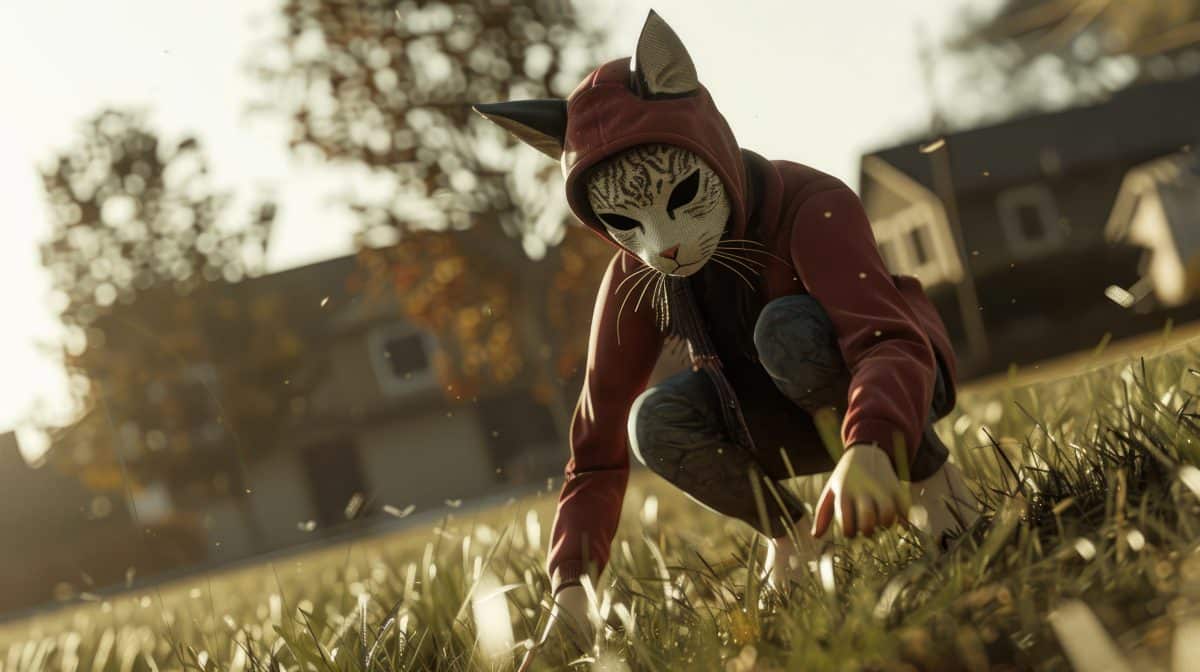
The therian phenomenon refers to people who identify, on a psychological, spiritual, or personal level, with one or more animals, and who express that identity in their daily lives and within a community, especially through social media and in-person meetups.
In recent months, their visibility has surged thanks to viral videos of young people wearing therian masks and moving on all fours in parks and public spaces, sparking curiosity, confusion, and even controversy across social media and in the press.
Contents
In today’s online culture, therians are part of a subculture made up of people who identify, on a psychological, spiritual, or symbolic level, with one or more animals. The species they feel connected to is called their theriotype, and it is often a central part of their personal identity.
The most important things to understand about therians are:
Within the community, the term therianthropy is used to describe this experience of feeling, in some way, non-human. Unlike furries, who are generally more focused on costume, roleplay, and fictional characters, therians describe it as an internal experience that often goes back to childhood or adolescence.
The term therianthropy comes from Greek: therion meaning beast and anthropos meaning human. Historically, it was used to describe half-human, half-animal figures in myths and legends. In its modern sense, therian identity began to take shape in online forums and communities in the 1990s, especially around werewolf and hybrid-being discussions, before evolving into a subculture with its own identity.
That connection to animals can be understood in different ways:
In everyday life, many therians express this bond through gestures, movement, preferences, and symbols related to their theriotype. Some also describe shifts, or subjective changes in state, in which they feel closer to their animal side on an emotional or perceptual level, without implying anything supernatural.
Although therian identity has existed online for decades, its leap into mainstream conversation has largely been driven by highly visual social platforms, especially TikTok and Instagram.
In recent months, hundreds of videos have gone viral showing young people wearing therian masks, ears, tails, or other animal-themed accessories while moving on all fours in parks, schoolyards, and public squares. The reasons behind this viral explosion can be summed up in a few key points:
The therian mask has become one of the clearest visual symbols of the trend. These are often animal masks, usually cats, dogs, wolves, or foxes, frequently customized by their wearers. They appear constantly in video compilations and news coverage, reinforcing the association between “young people in animal masks” and “therians.”
Paradoxically, there is debate within the community itself about the attention given to masks. Many members explain that they mainly use them for anonymity and to represent their theriotype in videos or meetups, rather than as a fashion accessory. They also criticize the way outsiders reduce the whole phenomenon to costume or spectacle.
The viral spread has also been fueled by controversy. Some reports suggest that extremist or alarmist groups have used the phenomenon to spread misinformation and exaggerations, presenting it as an example of social decline. That mix of curiosity, misunderstanding, and cultural conflict has turned therians into a recurring topic in headlines, memes, and online arguments.
The therian community is primarily digital. Forums, social media platforms, and chat servers act as spaces where people:
At the same time, in-person gatherings have also emerged, especially among younger people. Groups of therians may meet in parks or public spaces, often wearing therian masks and other accessories, playing, moving in ways associated with their animals, and socializing with others who share similar codes and experiences.
In general, the community places a strong emphasis on respecting individual boundaries. Not everyone wants to express this identity publicly, and many people prefer to live their therian identity only online or within trusted circles. There are also shared symbols, such as the theta-delta, which are used in avatars, artwork, and designs to signal affinity with therianthropy.
The rise of this subculture has drawn the attention of psychologists and anthropologists, who have started studying it through the lens of identity. Although research is still limited, existing qualitative studies point to several recurring patterns.
First, therian identity tends to develop gradually, through introspection and contact with the community. For many people, finding a name for this experience helps reduce feelings of isolation, confusion, or abnormality.
Second, there is currently no evidence showing that therian identity, by itself, should be considered a mental disorder. Some studies have explored differences in psychological well-being between therians and non-therians and found only small variations, not enough to justify labeling the identity as inherently pathological.
Instead, many researchers understand therianthropy as a particular way of defining the self through a connection with animals and with contemporary digital culture.
Within the community, people often distinguish between spiritual therianthropy, which has a more mystical interpretation, and psychological therianthropy, which is more connected to personality traits, life history, or coping strategies. In both cases, specialists generally recommend approaching the topic with listening, respect, and nuance, rather than reducing it to either a passing trend or a sign of mental instability.



NEWSLETTER
THE BEST COLLECTION OF SMOKING CONTENT
Stay up to date with our giveaways, memes, podcasts, and all our news.