666 Angel Number Meaning: Spiritual Message
SHOP SMOKING

OUR ONLINE SHOP HAS ARRIVED
DISCOVER OUR SWEATSHIRTS, T-SHIRTS WITH EXCLUSIVE DESIGNS AND MUCH MORE
SHOP SMOKING
OUR ONLINE SHOP HAS ARRIVED
DISCOVER OUR SWEATSHIRTS, T-SHIRTS WITH EXCLUSIVE DESIGNS AND MUCH MORE

PLEASE CONFIRM THAT YOU ARE OF LEGAL AGE IN YOUR COUNTRY TO ENTER THIS WEBSITE
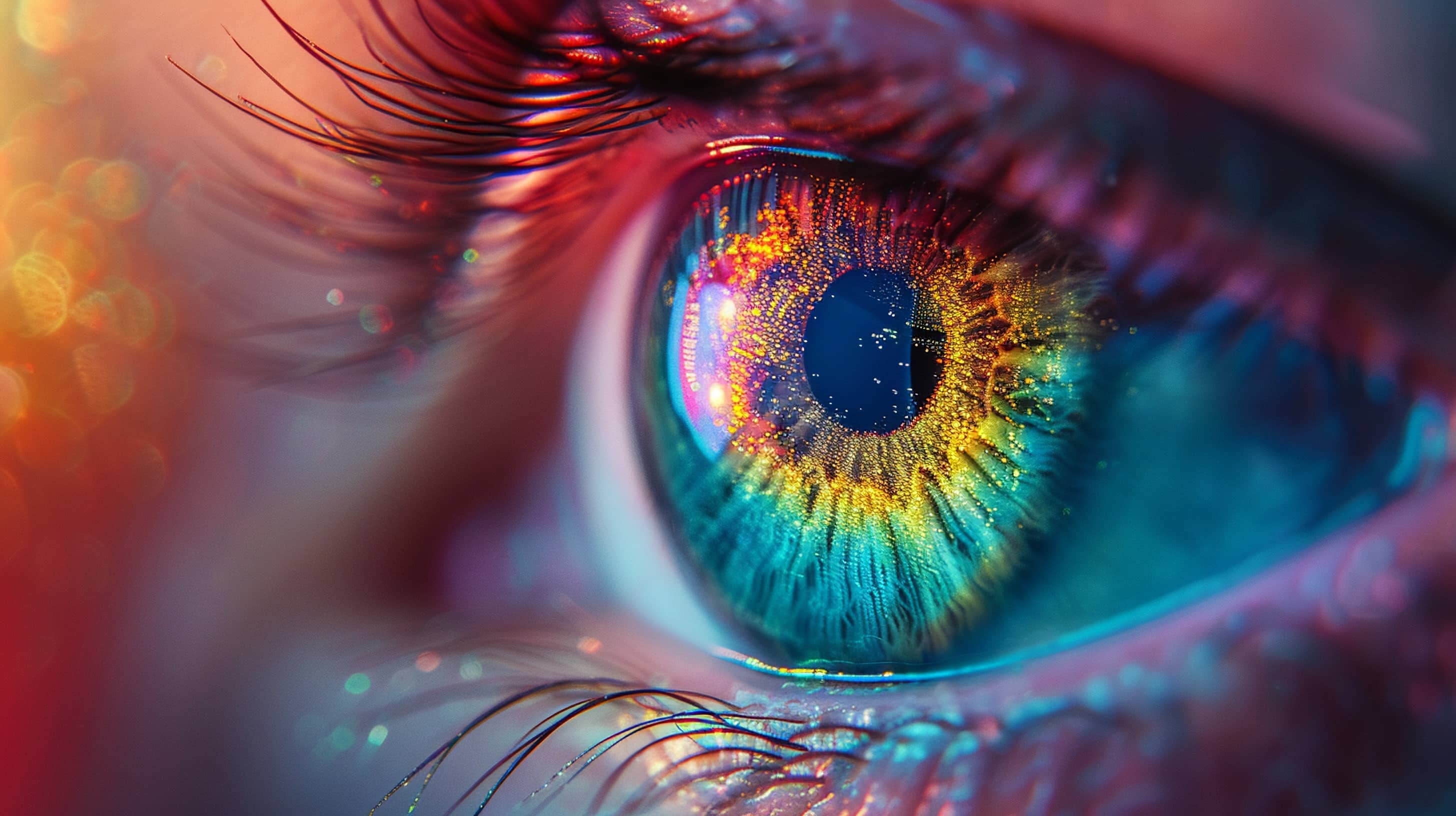
Color psychology is a fascinating discipline that studies how colors influence our emotions, perceptions, and behaviors. Each color has the ability to generate different emotional responses in people, and its influence can be seen in everyday aspects such as the clothes we choose, the products we buy, or the spaces we inhabit.
Colors not only affect our aesthetic perception of the world, but they are also powerful tools for nonverbal communication.
In this article, we will explore in depth what colors convey, how color psychology works, how colors relate to our personality, and how they can be used strategically to influence our emotions and decisions.
Contents
Color psychology is based on the study of how colors affect people’s behavior and emotions. When we see a color, our brain associates it with different meanings and emotions.
These links are not only cultural or social, but also have biological roots. Instinctively, colors have a direct impact on our nervous system, activating areas of the brain that manage our emotions. For example, the color red increases heart rate, while blue has a calming effect.
Through color psychology, we can understand how colors can influence the way we think and act without us being fully aware of it.
When we see a color, the brain not only processes visual information, but also interprets it emotionally. Colors can trigger immediate responses due to the way the brain associates certain shades with previous experiences, cultures, and evolutionary stimuli.
Warm colors, such as red or orange, are perceived as stimulating and active, making them ideal for situations that require attention or action. In contrast, cool colors such as blue or green convey calm and relaxation, promoting concentration and well-being. For example, in a work environment, a setting decorated with cool colors can help reduce stress and improve focus.
Furthermore, color has the power to evoke memories and feelings, making it a powerful emotional tool that goes beyond the visual.
Color has the ability to instantly influence our mood. Changing a color in a space or in our clothing can transform our emotional state in a matter of seconds. This is because colors immediately affect our nervous system.
If you find yourself in an environment with warm light, such as orange or yellow, you are likely to feel more cheerful or energetic. On the other hand, if you are exposed to an environment with darker or cooler colors, such as gray or navy blue, you may feel more relaxed or even melancholic.
Colors have an immediate impact on our emotions, which is why they are so effective when used in marketing or design, where the goal is to elicit an emotional response from the audience.
Each person has a unique relationship with colors, which can be influenced by their culture, personal experiences, and social context. However, there are certain common patterns that have been observed in color psychology, which suggest that colors can reflect aspects of our personality.
The color we choose to wear, for example, can communicate how we feel at a given moment or how we want others to perceive us. Color psychology also suggests that our choice of colors may be influenced by our emotions and psychological states.
For example, a person who feels confident and in control might opt for colors such as black or dark blue, which are shades associated with authority and professionalism. Meanwhile, someone who feels outgoing or creative might choose vibrant colors such as red or yellow.
In general terms, colors can help convey personality traits and emotions that are not expressed verbally.
Colors have universal meanings, although their interpretations may vary depending on the culture. Here we explore the main colors and what emotions or feelings they convey, both in general and in different contexts.
Warm colors, which include red, orange, and yellow, are associated with energy, enthusiasm, and passion. These colors tend to increase heart rate and blood pressure, causing an energetic and active response.
For example, red is associated with love, passion, and action, but also with danger and warning. That is why it is often used in high-risk signals, such as red traffic lights or in advertisements that seek to quickly capture attention.
Orange is another warm color that conveys a sense of fun and creativity. It is associated with vitality, optimism, and joy. Yellow, on the other hand, is the color of the sun and is linked to happiness, warmth, and light.
However, it can also evoke anxiety if used in excess. In general, warm colors are stimulating and create a feeling of dynamism.
In contrast, cool colors such as blue, green, and purple are known for their calming and relaxing effects. These colors can lower heart rate and blood pressure, creating a sense of serenity and control.
Blue is one of the most widely used colors in professional and corporate environments due to its ability to convey trust, loyalty, and tranquility. It is a color that inspires confidence, making it an excellent choice for brands that want to project an image of seriousness and stability.
Green, on the other hand, is associated with nature, balance, and health. It is widely used in spaces where calm and well-being are desired, such as hospitals or spas.
Purple, which is a combination of blue and red, conveys luxury, mystery, and creativity. It is a color associated with spirituality and introspection, and is used in environments that seek to inspire reflection or a sense of elegance.
Neutral colors, such as white, gray, and black, have a more subtle but equally important impact.
White conveys purity, simplicity, and clarity, and is a color frequently used in minimalist design and spaces where the aim is to create a clean and orderly environment.



NEWSLETTER
THE BEST COLLECTION OF SMOKING CONTENT
Stay up to date with our giveaways, memes, podcasts, and all our news.