

What Is Snus? Hazards, Legal Status, and What You Need to Know
What is the 2026 Anti-Smoking Law and who does it affect?
To give you the most direct answer, the 2026 Anti-Smoking Law is a comprehensive legislative update that significantly expands designated smoke-free public spaces, classifies all vaping and non-combustible alternatives under strict traditional tobacco rules, and restricts retail advertising.
When readers search for information on the new anti-smoking law, they want to know who is impacted. The short answer is everyone:
-
Adult Smokers and Vapers: Facing new boundaries on where devices and traditional smokes can be legally used outdoors.
-
Hospitality Venue Owners: Required to enforce updated smoke-free perimeters around terraces, outdoor dining spaces, and venue entrances.
-
Retailers and Manufacturers: Subject to tighter restrictions regarding product displays, online promotions, and point-of-sale marketing.
The underlying goal of this modern legislation is to curb second-hand exposure in shared community spaces while standardizing rules across all nicotine and non-nicotine inhalation delivery systems.
What are the main changes to the anti-smoking law?
The core changes to the anti-smoking law focus on closing regulatory loopholes that previously existed between traditional combustible cigarettes and newer electronic devices.
To help you navigate these updates, here is a breakdown of how the old framework compares to the 2026 standards:
| Regulatory Area | Previous Standards | 2026 Anti-Smoking Law Standards |
| Outdoor Terraces | Permitted in designated open-air dining areas | Complete ban on open-air dining terraces and patios |
| Vaping & E-Cigarettes | Partial restrictions, separate classifications | 100% regulatory parity with traditional tobacco |
| Public Transit & Stops | Indoor hubs restricted; open platforms allowed | Banned at all open-air shelters, platforms, and stops |
| Youth-Centric Zones | Restricted within facility boundaries | Mandatory smoke-free buffer zone (e.g., 15–50 meters) |
Expansion of outdoor smoke-free zones
The most noticeable shift for everyday consumers is the expansion of smoke-free outdoor environments. Under the new rules, smoking and vaping are officially prohibited in several outdoor spaces that were previously considered gray areas:
-
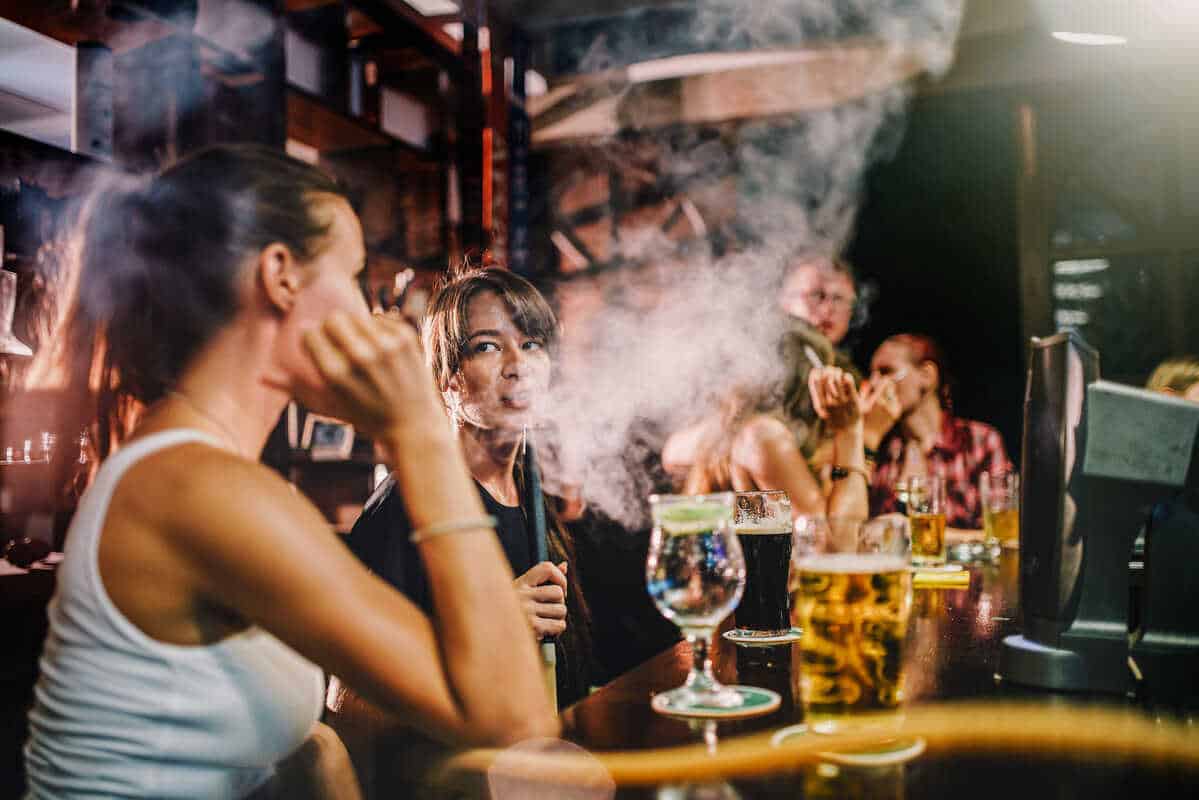
Hospitality Terraces: Outdoor seating areas at restaurants, bars, and cafes are now fully smoke-free zones.
-
Transit Waiting Points: Open-air bus shelters, train platforms, and taxi stands fall under mandatory outdoor bans.
-
Educational & Healthcare Grounds: Enforced smoke-free perimeter buffers surround all entrances, playgrounds, sports facilities, and medical plazas.
Total regulatory parity for vaping and alternative products
Previous loopholes that treated electronic cigarettes, nicotine pouches, heated tobacco devices, or zero-nicotine vapes differently from traditional cigarettes have been removed.
The 2026 updates establish total regulatory parity. If a location prohibits combustible cigarettes, it automatically prohibits e-cigarettes, vaporizers, and heated tobacco products—regardless of whether the liquid contains nicotine.
To curb youth appeal and impulse buying, the law introduces stricter commercial guidelines for retailers and brands:
-
Point-of-Sale Visibility: Retailers must follow strict plain-packaging or covered-display rules, removing promotional displays from plain sight.
-
Digital & Social Media Bans: Commercial promotion of smoking accessories, vapes, or tobacco products across public digital platforms and influencer channels is strictly prohibited.
-
Vending Machine Controls: Automated sales require updated age-verification technology or are restricted exclusively to specialized, adult-only licensed shops.
When does the new anti-smoking law take effect?
The short answer to when the anti-smoking law takes effect is that implementation begins in phased stages starting early in 2026, with full nationwide enforcement expected by the end of the year.
Governments typically roll out major public health legislation using a multi-tiered timeline to give businesses and consumers time to adjust:
-
Phase 1 (Immediate Enactment): Public awareness campaigns and mandatory updates to indoor and outdoor signage across public venues.
-
Phase 2 (Hospitality & Public Space Grace Period): Venue owners are given a set window (typically 3 to 6 months) to adapt physical spaces and train staff on terrace rules.
-
Phase 3 (Retail & Packaging Deadlines): Manufacturers and stores are granted a transition period to clear non-compliant inventory and adjust point-of-sale displays.
Always check your specific regional or local government announcements to confirm exact enforcement dates in your immediate municipality.
How to adapt to the expanded smoke-free spaces
Adapting to new public regulations doesn’t mean giving up your personal ritual—it simply means planning ahead and being mindful of your surroundings.
Here are a few quick tips for navigating updated public spaces smoothly:
-
Look for Clear Signage: When sitting outdoors at a cafe or venue, double-check for designated smoking areas or updated “Smoke-Free Zone” signs before lighting up.
-
Carry a Portable Pocket Ashtray: If you are enjoying a hand-rolled smoke in permitted outdoor public spaces (like open parks or beaches), use a compact pocket ashtray to keep the area clean and leave zero trace behind.
-
Respect the Perimeter: Step well away from venue entrances, bus shelters, and outdoor dining boundaries to ensure your smoke doesn’t drift toward non-smokers.
Information, respect, and enjoying the ritual your way
At Smoking, we believe that true culture is built on quality, respect, and personal responsibility. Staying informed about regulations like the 2026 Anti-Smoking Law ensures that you can continue enjoying your rolling ritual with complete peace of mind.
By choosing high-quality materials, respecting shared community spaces, and staying mindful of those around you, you keep the essence of the session clean, stylish, and stress-free. Stay informed, respect the space, and enjoy your smoke your way.