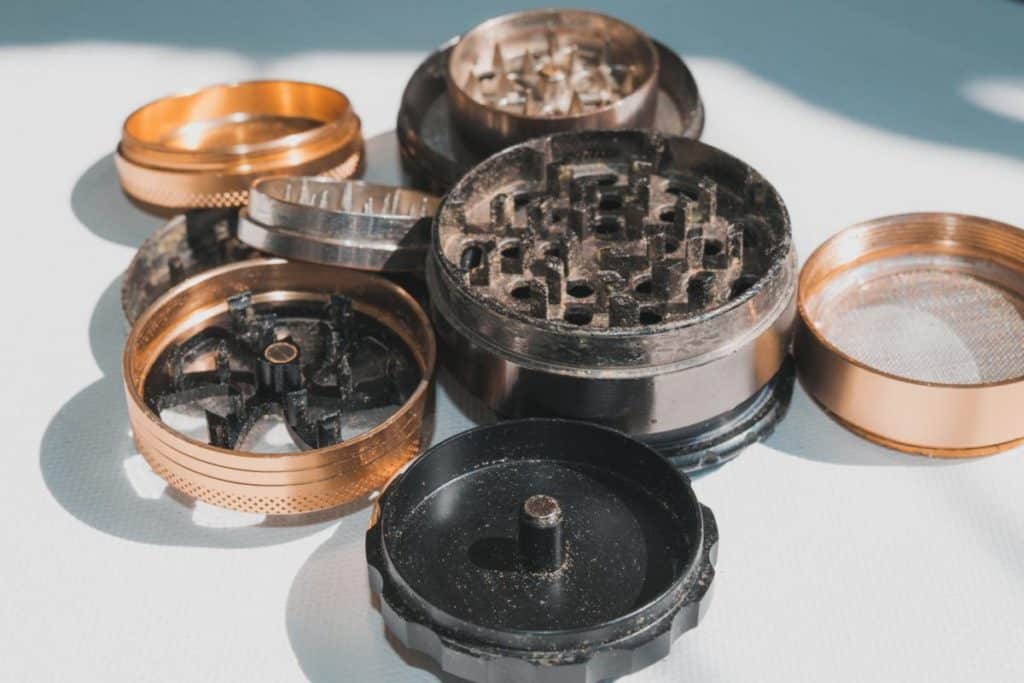


Types of Grinders: Which One Is Best, and How Do They Differ?
What exactly is a coffee shop, and how does it work?
To give you the most direct answer, a coffee shop (written as one word in the Netherlands) is an establishment licensed by local Dutch municipalities to legally sell small amounts of cannabis for personal consumption on-site or to-go, while serving non-alcoholic beverages and snacks.
When people ask what is a coffee shop?, the spelling matters. In English, a “coffee shop” (two words) is simply a café serving java and pastries. In Dutch culture, a hyphenated or single-word “coffeeshop” refers specifically to a licensed cannabis establishment.
While cannabis technically remains illegal under federal Dutch law, the Netherlands operates under a formal tolerance policy (gedoogbeleid). Under this policy, the government chooses not to prosecute licensed coffee shops as long as they strictly follow a specific set of operational criteria.
How does a coffee shop work? Basic rules and regulations
Understanding how a coffee shop works starts with recognizing that these venues operate under tight municipal oversight. The rules ensure that shops remain quiet, safe community spaces rather than chaotic nightlife venues.
The legal framework in Amsterdam and the Netherlands (AHOJG criteria)
To maintain their operating license, every Dutch coffee shop must strictly abide by five nationwide rules known as the AHOJG criteria:
- A (No Advertising / Geen Affichering): Shops cannot aggressively advertise cannabis products outdoors or on commercial media.
- H (No Hard Drugs / Geen Harddrugs): Hard drugs are strictly prohibited on the premises.
- O (No Nuisance / Geen Overlast): Shops must ensure patrons do not cause noise pollution, litter, or disturb neighbors.
- J (No Youth / Geen Jeugd): Strict 18+ age restrictions apply. Identification is checked at the door.
- G (Transaction Limit / Geen Grote Hoeveelheden): Customers are legally limited to purchasing a maximum of 5 grams of cannabis per day.
Additionally, coffee shops cannot keep more than 500 grams of total inventory on-site at any given time.
Rules for coexistence inside the coffee shop
Beyond municipal laws, coffee shops enforce house rules to maintain a cozy, welcoming atmosphere:
- No Alcohol: Dutch law strictly forbids selling alcohol and cannabis in the same venue.
- Tobacco Smoke Bans: Due to European indoor smoking bans, consuming pure cannabis or using herbal mixtures is allowed inside, but burning traditional tobacco indoors is prohibited in public seating areas.
- Mandatory ID: You must present a valid government-issued passport or ID card upon entry regardless of your age.
What can you do at a coffee shop, and what services do they offer?
If you are wondering what to do at a coffee shop, think of it as a relaxed hybrid between a tea house, a board game lounge, and a social club.
| Service / Feature | What to Expect |
| Over-the-Counter Sales | Purchase flower, hash, pre-rolls, or infused edibles from a menu |
| Consumption Areas | Relaxed seating with rolling trays, grinders, and paper accessories |
| Beverages & Food | Fresh coffee, teas, juices, milkshakes, and sweet or savory snacks |
| Social Environment | Board games, ambient music, WiFi, and communal seating |
Coffee shops are built for lingering. Once you make a purchase at the counter, you are welcome to take a seat, order a coffee or fresh mint tea, play board games, chat with friends, or listen to music. They serve as comfortable sanctuaries where locals and travelers can unwind without feeling rushed.
Product information and advice
Behind the counter sits the “budtender.” Dutch budtenders are knowledgeable guides who can walk you through the menu, explaining the differences between energetic Sativa strains, relaxing Indicas, or traditional European hashish. If you are new or haven’t smoked in a while, they can recommend lighter options or pre-rolls rolled with herbal mixes.
While the culture around legal herb has expanded globally, a Dutch coffee shop is distinct from a coffee shop in the US or a modern American cannabis lounge or dispensary.
- Dutch Coffee Shops: Focus heavily on the sit-down café social experience. The menu is simple, sales are limited to small personal quantities, and alcohol is completely absent. Supply chain regulations behind the scenes remain a legal gray area (known as the “backdoor problem”).
- US Dispensaries & Social Lounges: A dispensary or legal lounge for a coffee shop in the US context is heavily commercialized and state-regulated from seed to sale. Dispensaries usually focus on retail counter transactions, offering massive product selections (concentrates, high-potency edibles, topicals, and vapes). Dedicated consumption lounges in the US are rarer, highly regulated, and often feel like modern high-end lounges rather than cozy neighborhood cafes.
Tips and etiquette for visiting a coffee shop as a tourist
To make sure your visit goes smoothly, following a few basic ground rules of local etiquette goes a long way:
- Buy Something Beyond Herb: If you plan to sit down and use the lounge space, it is customary to order a drink or snack alongside your menu purchase.
- Don’t Rush the Counter: Take your time reading the menu, but step aside if you are still deciding so other patrons can order.
- Respect the Neighborhood: Never smoke right outside on the sidewalk in front of residential doorways or near school zones. Enjoy your session inside the shop or in designated areas.
- Mind the Potency: Dutch strains and infused edibles can be significantly stronger than expected. Start low, go slow, and know your limits.
At Smoking, we believe that appreciating the fine details of smoking culture makes every session better. Whether you are exploring historic coffee shops in the heart of Amsterdam or setting up a cozy session on your own back porch, taking your time, respecting local culture, and choosing high-quality rolling materials is the secret to a great experience. Stay curious, respect the space, and enjoy your session your way.